A new therapeutic approach based on virtual reality, artificial intelligence and digital technologies is being developed to make mental health care more accessible to younger generations, promoting more personalised, accessible and inclusive experiences.
A response to a growing challenge
Young people’s mental health has become an increasingly important issue in recent years. In Portugal, the figures paint a worrying picture. Around 39 per cent of young adults aged between 18 and 34 report five or more symptoms of psychological distress.
Against this backdrop, it is essential to find new ways of prevention, monitoring and intervention.
It is precisely in this context that the Theraverse project has emerged, an initiative co-funded by COMPETE 2030 which aims to create a generation of mental health services tailored to digitally native young people.
The proposal is based on the development of an immersive mental health clinic, utilising technologies such as virtual reality, augmented reality, artificial intelligence and wearable devices.
Technology in the service of wellbeing
The aim is to create safe, controlled digital environments tailored to the expectations of the younger generations.
In this way, young people will be able to access therapeutic experiences that are more closely aligned with their everyday reality. Furthermore, interaction through immersive worlds could help to reduce barriers associated with the stigma surrounding mental health.
According to Rogério Ribeiro, Chief Technology Officer at Eupasoft, “the Theraverse project is a strategic R&D initiative that aims to create an immersive mental health clinic geared towards digitally native young people, using technologies such as virtual and augmented reality, artificial intelligence and wearable devices”.
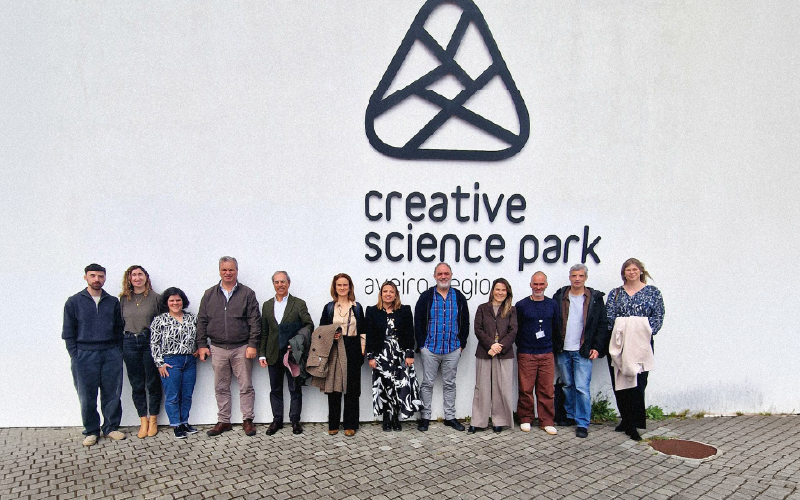
The project involves Eupasoft, the University of Aveiro, the PCI – Science and Innovation Park and ULS Coimbra.
More personalised and effective interventions
The initiative aims to develop innovative solutions to support the prevention, monitoring and management of conditions such as anxiety and stress.
Furthermore, the new services will enable continuous and personalised support, enhancing the ability to adapt to the individual needs of each user.
At the same time, these tools could support mental health awareness and education campaigns, increasing young people’s participation and awareness.
As Rogério Ribeiro points out, “through evidence-based approaches, the aim is to develop innovative solutions for the prevention, monitoring and support of conditions such as anxiety and stress, promoting more accessible, personalised and effective interventions”.
Benefits for users and institutions
The expected impact goes beyond the user experience.
On the one hand, this new model of care delivery could increase young people’s uptake of mental health services. On the other hand, it will enable a more efficient use of available resources.
Consequently, healthcare facilities will be able to reduce operational costs associated with maintaining physical premises and optimise the allocation of staff.
Furthermore, the flexibility offered by digital environments paves the way for new models of care delivery and opportunities for scalability to other geographical areas and clinical contexts.
Collaborative innovation with social impact
Theraverse is the result of collaboration between technological, academic and clinical organisations, combining scientific knowledge, technological expertise and clinical practice.
In this regard, the support provided by COMPETE 2030 plays a decisive role in bringing this initiative to fruition.
As Rogério Ribeiro emphasises, “COMPETE 2030’s support is crucial to making this research and development effort viable, enabling collaboration between technological, academic and clinical organisations, and creating the necessary conditions to transform scientific knowledge into solutions with a real impact on society”.
By bringing technological innovation closer to the needs of young people, Theraverse aims to contribute to a new generation of mental health care that is more accessible, inclusive and prepared for the challenges of the future.
Technology developed in the interior of the country enhances the monitoring of objects in low Earth orbit, contributing to safer space traffic management.
GOAlytics is developing a smart platform that uses artificial intelligence to make the inspection and maintenance of bridges safer, more efficient and more predictive.
The project develops methodologies to ensure the safety, effectiveness and compliance of AI applied to healthcare, in line with the new European regulations.