Innovation in the absorption of electromagnetic waves
The development of advanced materials capable of absorbing electromagnetic waves represents a major technological challenge for sectors such as the automotive, telecommunications and aerospace industries. It is against this backdrop that the ASTRAL project – Advanced Shielding Technologies for Radiowave – has been launched, led by Controlar – Electrónica Industrial e Sistemas, S.A. and co-funded by COMPETE 2030.
The main objective of the project is to develop a new functional material in the form of a flexible, multi-layered sheet, which is thin yet has a high capacity to absorb electromagnetic radiation across a wide range of frequencies, between 2 and 110 GHz.
This solution aims to overcome the limitations of conventional materials used in anechoic chambers – environments specifically designed to carry out electromagnetic tests and measurements without interference caused by wave reflection.
Currently, these spaces often rely on bulky or rigid linings, which are difficult to apply to curved surfaces or mobile equipment. ASTRAL seeks to replace these solutions with lighter, more flexible and adaptable materials, capable of improving the accuracy and reliability of tests.
A technology of high strategic value
For Controlar, this initiative represents an opportunity to strengthen its capacity for innovation and technological differentiation.
According to João Queirós, Chief R&D Officer at Controlar, “The ASTRAL project is of great strategic importance to Controlar, positioning the company at the forefront of the development of advanced electromagnetic absorption materials in Europe.”
He also highlights the importance of collaboration between the organisations involved and the application of this technology in the automotive industry.
“Developed in collaboration with Graphenest, the University of Aveiro and PIEP, its application in anechoic chambers – critical facilities for the testing and validation of radar systems, which are particularly relevant in the context of the automotive industry and ADAS systems – will significantly enhance the value proposition of the solutions developed by Controlar.”
Innovative materials for more accurate testing
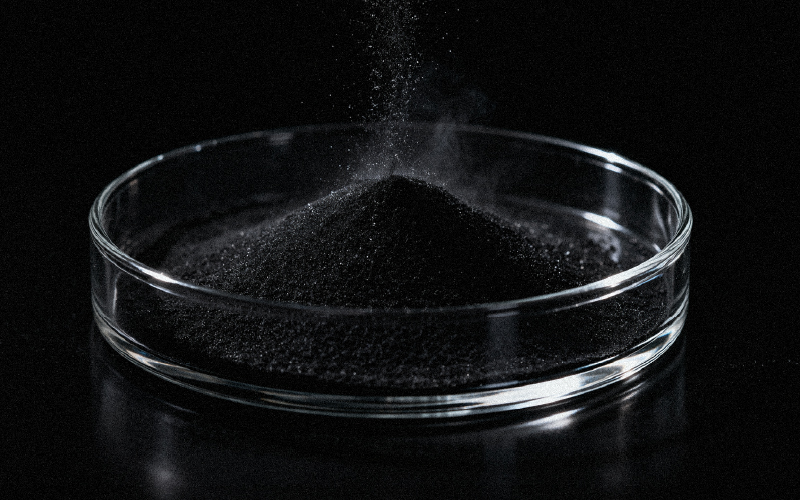
ASTRAL’s technological innovation is based on the combination of carbon-based materials, such as graphene and carbon nanotubes, with magnetic particles, including ferrites and iron oxides.
These components will be integrated into multilayer sheets produced using industrial extrusion processes, allowing the properties of each layer to be adjusted to maximise electromagnetic absorption.
The project also envisages the use of surface texturing techniques to improve the material’s performance, particularly at higher frequencies, without compromising its flexibility.
As João Queirós explains, “The innovative material being developed is characterised by its thinness, high flexibility and broadband absorption capacity, enabling the replacement of bulky conventional solutions with more efficient and adaptable coatings.”
He adds that “This technological advancement will help improve the accuracy and reliability of testing in controlled environments, enabling the more effective integration of industrial automation equipment into anechoic chambers.”
Applications in strategic technology sectors
Although the initial application is aimed at radio-frequency testing environments, ASTRAL has the potential to meet the needs of various industrial sectors.
João Queirós emphasises this cross-cutting dimension: “Beyond the automotive sector, ASTRAL has significant potential for cross-cutting impact, covering areas such as telecommunications, aerospace and defence.”
The development of these materials could also help to reduce the radar signature of certain equipment and platforms, broadening the scope for the technology’s application.
In this context, João Queirós highlights that “The ability to reduce radar detection on platforms such as drones or aircraft represents a capability of high strategic value, whilst simultaneously strengthening European technological autonomy in a field currently dominated by technologies developed outside Europe.”
COMPETE 2030’s contribution to innovation
The realisation of ASTRAL stems from the combination of business and scientific expertise, bringing together Controlar, Graphenest, the University of Aveiro and PIEP to develop a solution with high potential for industrial application.
Co-funding from COMPETE 2030 plays a key role in bringing this technological initiative to fruition.
In the words of João Queirós, “COMPETE’s support was crucial in enabling the development of this highly complex technology, allowing us to bring together complementary national expertise and accelerate its entry into the market.”
Through this project, Controlar aims to strengthen its competitiveness and contribute to the development of national technological solutions with the potential for application in international markets.